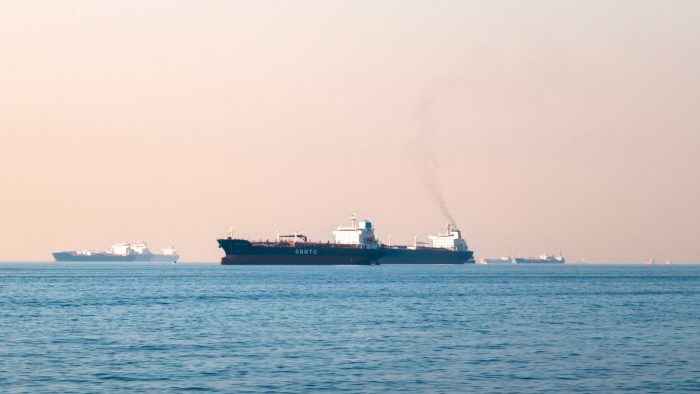
Brent crude futures rose 6.6% to $89.61 a barrel on July 29 while West Texas Intermediate advanced 6.4% to $84.31 after President Donald Trump stated that the United States will hit Iran hard in response to an attempted surprise attack. Trump told Fox News that Iran “is going to get a beating” and that “we’ll be hitting them hard.” The comments came after U.S. Central Command reported that Islamic Revolutionary Guard Corps forces launched multiple ballistic missiles at U.S. forces based in the Middle East at 5:45 p.m. Eastern Time on July 28; all missiles were successfully intercepted. Axios reported the target was a U.S. base in Jordan.
U.S. and Saudi forces also conducted joint strikes on multiple terrorist logistics and weapons sites in eastern Iraq on July 28, responding to more than 30 drone attacks over the prior three days by Iran-aligned groups, according to Central Command. The U.K. Maritime Trade Operations Centre separately reported suspicious activity in the southern Red Sea, where the master of a tanker heard an explosion while transiting; the advisory was issued July 28 covering an incident reported the previous day.
The price gains reversed a three-day losing streak for crude. Brent had closed at $84.09 on July 28, down 4.8%, while West Texas Intermediate settled at $79.26, down 4%. Oil markets have fluctuated throughout July amid the ongoing U.S.-Iran conflict that has included intermittent pauses in strikes, threats of naval blockades in the Strait of Hormuz, and repeated exchanges of fire. Houthi attacks targeting Saudi oil infrastructure have added to supply concerns in the region.
Despite the sharp rebound, both benchmarks remained below levels seen earlier in the month when Brent briefly exceeded $90 and earlier peaks above $100 during intensified strike periods. U.S. Central Command confirmed full interception of the Iranian missiles with no reported damage to forces or facilities. Prior pauses in the air campaign, including one announced over the July 25-26 weekend, had previously driven oil prices lower by as much as 7-8% on expectations of de-escalation. Institutional data from earlier sessions showed inventories draws and other fundamental factors continuing to influence pricing alongside geopolitical headlines.

The July 29 session followed a period in which senior U.S. commanders had advised conserving interceptor stocks such as Patriots and THAADs after consecutive nights of strikes. Trump had told Axios on July 23 that he was considering a “massive attack” bigger than previous operations before later setting those plans aside amid munitions considerations. The Strait of Hormuz, through which roughly one-fifth of global oil trade passes, has remained a focal point of shipping advisories and blockade threats throughout the conflict. European natural-gas prices have tracked crude volatility in parallel sessions during prior escalations.