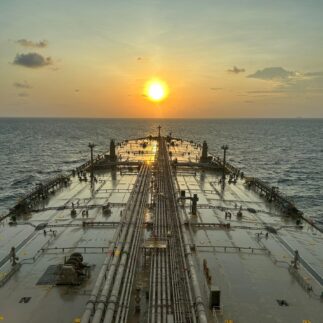
Yemen’s Iran-aligned Houthis declared a maritime blockade on Saudi shipping on July 20, targeting vessels linked to Saudi ports in retaliation for what they described as Riyadh’s long-standing siege on Yemen. On July 22-23, the group said it struck the Saudi-flagged product tanker Encelia and the VLCC Layla with ballistic missiles, cruise missiles and drones as the vessels allegedly violated the embargo. The Encelia reported a fire after being hit near Jizan, with Saudi officials confirming damage but no crew injuries; reports on the Layla remained unverified.
The incidents follow months of heightened tensions, including Iran’s partial closure of the Strait of Hormuz earlier in 2026, which forced Saudi Arabia to reroute significant volumes of crude through Red Sea ports such as Yanbu. Tanker tracking data showed multiple vessels diverting or making U-turns near Bab el-Mandeb in recent days, with traffic already running well below pre-crisis levels.
While headlines emphasize the risk of oil spiking above $100, data indicate that workarounds have so far limited physical supply losses. Oil rose less than 1% immediately after the initial July 20 blockade announcement, trading around $89, as some analysts pointed to rerouting options around Africa and alternative export infrastructure. Saudi crude exports via Red Sea routes, though increased, represent a fraction of total capacity, and global inventories plus non-OPEC supply have provided buffers that prevented an immediate shortage.
Full implementation of a sustained blockade remains untested, with previous Houthi campaigns showing mixed success in completely halting traffic. Insurance and freight costs have risen, but measurable volume impacts have been contained to date, challenging narratives of an inevitable supply collapse.
Yanbu has handled more than 70% of Saudi crude exports in recent periods as a workaround for Hormuz issues, concentrating risk on Red Sea infrastructure vulnerable to Houthi positioning along Bab el-Mandeb.

The Encelia, a 2007-built vessel, departed Yanbu shortly before the strike, highlighting how quickly Houthi forces can target ships in the outer port limits. Roughly 30 tankers were reported near Saudi Red Sea facilities at the time of the blockade declaration, amplifying immediate operational exposure.
Historical parallels from the 2023-2025 Red Sea disruptions showed Suez Canal traffic dropping sharply, with rerouting adding 10-14 days to Asia-Europe voyages and elevating insurance premiums by several hundred percent for the region, dynamics already re-emerging in current filings and maritime data.