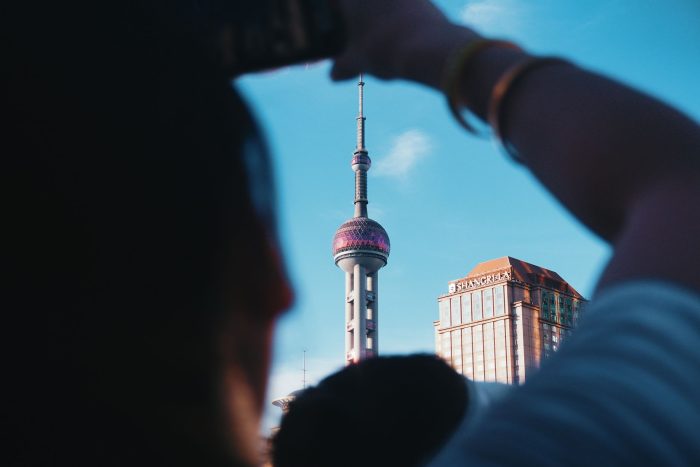
Chinese President Xi Jinping delivered the keynote at the 2026 World AI Conference in Shanghai on July 17, outlining four observations on development and governance while the new World Artificial Intelligence Cooperation Organization, backed by 29 countries with headquarters in Shanghai, held its founding.
Xi emphasized openness, win-win cooperation, risk awareness with human control, inclusiveness across civilizations, and capacity building for the Global South to bridge digital divides. China will provide 5,000 AI training places to developing countries over five years, establish cooperation centers with ASEAN, BRICS, African Union, Arab League, and Latin American states, and grant 30 countries access to its AI-powered meteorological warning system.
Moonshot AI released its Kimi K3 multimodal model with advanced coding and agent capabilities, while Z.ai’s GLM-5.2 and DeepSeek offerings have narrowed performance gaps on benchmarks and gained adoption in token usage among U.S. developers. Chinese models accounted for more than 30% of weekly token usage by U.S. companies on certain platforms in recent periods.
The moves coincide with Beijing’s push for domestic AI infrastructure, including a planned 2 trillion yuan nationwide data-center network over five years, with at least 80% of hardware and software from local vendors. Chinese firms plan to raise domestic accelerator budget allocation to 46% from 30% over the next 12 months.

Alarm over surging Chinese models often centers on national security and displacement of U.S. leadership, yet adoption data shows cost and open-weight advantages driving practical use by enterprises seeking efficiency. Chinese labs have released models under MIT licenses with no restrictions, enabling customization, while training runs such as Meituan’s trillion-parameter model succeeded entirely on domestic accelerators, demonstrating reduced reliance on restricted foreign chips.
The World AI Cooperation Organization founding follows China’s 2023 Global AI Governance Initiative and builds on participation in UN forums where officials reframed open-source models as development tools for lower-income nations. Xi’s speech marked his first keynote at the annual Shanghai conference, with more than 300 new AI products unveiled, including Huawei’s Atlas 950 cluster. Z.ai surpassed HK$1 trillion in market value on the Hong Kong exchange earlier in 2026.