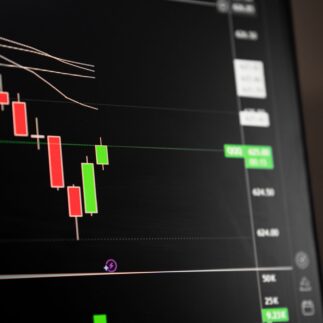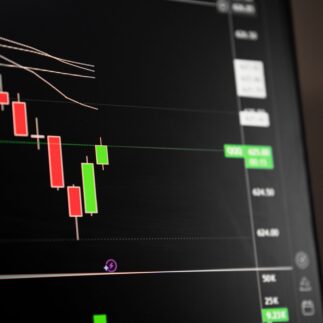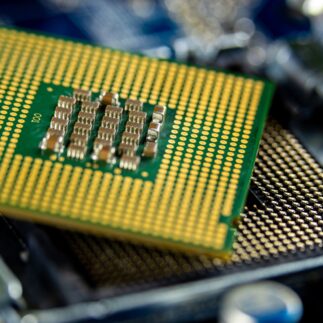
U.S. equity futures pointed to further weakness in technology shares after the prior session’s declines, with the Philadelphia Semiconductor Index already down more than 4% on Thursday. Memory-chip and foundry names led the retreat amid mounting investor scrutiny of valuations following months of outsized gains tied to data-center spending. Netflix Inc. also weighed on sentiment after its guidance disappointed some holders.
Taiwan Semiconductor Manufacturing reported second-quarter net income of T$706.56 billion, or about $21.98 billion, beating estimates and marking the fifth straight quarter of record profits. Revenue reached T$1.27 trillion, up 36% from a year earlier. The company lifted its 2026 revenue growth forecast to more than 40% in U.S. dollar terms from a prior target above 30% and raised capital-expenditure guidance to $60 billion-$64 billion. Its shares nonetheless traded lower in after-hours and Asian trading.
The selloff broadened beyond individual names. SK Hynix shares listed in the U.S. fell sharply in recent sessions, contributing to a multi-week pullback in memory stocks that has erased tens of billions in market value. Micron Technology Inc., Western Digital Corp. and other suppliers posted similar declines in prior trading. Broader concerns included reports of Chinese firms developing domestic AI chips and questions over the pace at which hyperscalers can monetize massive infrastructure outlays.
Oil prices rose further on persistent U.S.-Iran tensions around the Strait of Hormuz, adding to a risk-off backdrop. S&P 500 futures fell about 1.1% while Dow Jones Industrial Average futures declined 0.7%. The moves came as traders digested mixed signals from corporate results and lingering uncertainty over Federal Reserve policy under Chair Kevin Warsh.

While many reports framed the futures drop as fresh evidence the AI trade has peaked, TSMC’s results showed continued strong demand for advanced nodes used in AI accelerators, with chips at 7-nanometer and below accounting for 77% of wafer revenue. The company’s raised full-year outlook and commitment to additional Arizona fabrication capacity contradicted narratives of immediate demand slowdown. Memory stocks had already corrected sharply from June peaks, with several names entering bear-market territory, yet underlying hyperscaler capital-expenditure plans remained elevated according to industry trackers.
TSMC separately committed an additional $100 billion to its U.S. operations, bringing total Arizona investment to $265 billion, a scale rarely highlighted in daily coverage of the selloff. South Korean regulators had recently tightened rules on single-stock leveraged exchange-traded funds, contributing to volatility in domestic names such as Samsung Electronics and SK Hynix that spilled into U.S. trading. Corporate insider selling across U.S. technology names reached near-record levels in recent weeks, providing a granular signal on executive positioning not always captured in headline valuation debates.