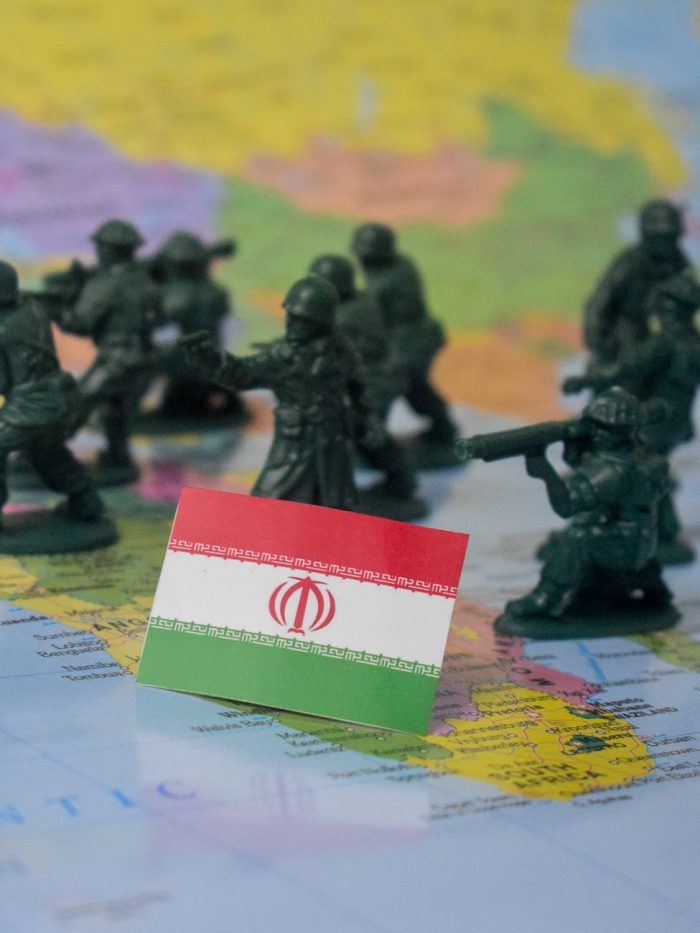
President Donald Trump dropped plans for a 20% fee on cargo transiting the Strait of Hormuz following pressure from Gulf leaders offering billions in U.S. investments, while keeping open the possibility of further military action against Iran as tensions persist over the vital oil shipping route.
The policy reversal, announced in recent days, eases immediate cost pressures on global energy flows through the chokepoint that handles roughly one-fifth of global oil trade. Crude oil prices held near $80 per barrel on July 15 after the move, with Brent futures up 1.36% intraday amid lingering blockade risks and threats of additional U.S. strikes. A handful of vessels continued crossings under the existing U.S. naval presence.
Gulf nations responded to the initial fee proposal with commitments for increased investment inflows into the United States as an alternative arrangement. Trump stated that no one should impose fees on the strait and favored bilateral investment deals. The decision comes weeks after heightened U.S.-Iran standoffs, including American strikes on Iranian targets and renewed claims over control of the waterway.
The Hormuz developments unfolded against a backdrop of softer U.S. June CPI data released July 14, showing headline inflation at 3.5% year-over-year, down from 4.2% in May and below forecasts of 3.8%. Energy price declines, partly linked to the earlier lull in regional conflict, contributed to the monthly CPI drop of 0.4%, the largest since April 2020. Fed Chair Kevin Warsh, testifying the same day, reiterated that the inflation mission remains incomplete.
Oil market reactions reflected partial de-escalation on the fee but sustained geopolitical premium. Shipping and insurance costs for tankers in the region had spiked on initial blockade signals. Energy equities showed mixed intraday moves as traders weighed lower near-term transit risks against ongoing strike rhetoric.
Initial media focus emphasized the fee reversal as a clear de-escalation, yet U.S. naval operations and explicit threats of additional strikes on Iranian assets continued without pause, maintaining operational risks for crude flows. Gulf investment pledges, while substantial in headline terms, represent multi-year commitments rather than immediate offsets to any potential supply disruptions. Earlier ceasefire dynamics had already eased gasoline prices in the June CPI basket, showing energy components can detach from headline geopolitical noise in the short term.

The proposed fee structure would have applied directly to cargo shipments, a mechanism distinct from traditional sanctions targeting specific entities or vessels. Oracle Cloud infrastructure and other U.S. tech elements have supported allied sovereign data efforts in the broader region, though unrelated to the maritime fee debate. Historical U.S. naval blockades in the Gulf, including during the 1980s tanker war, provide precedent for sustained premiums even after policy adjustments, with insurance markets reacting faster to rhetoric than actual flow interruptions. Trump administration statements explicitly linked the investment alternative to long-term bilateral ties rather than immediate Hormuz security guarantees.
Enjoyed this article? Access prime market research and insights combined with ready-to-use chart frameworks to identify opportunities in any market anytime by investing in a membership.
Need a VWAP strategy on Futures? Access our quick tutorial to understand the basics of this crucial tool and explore our training content around it.