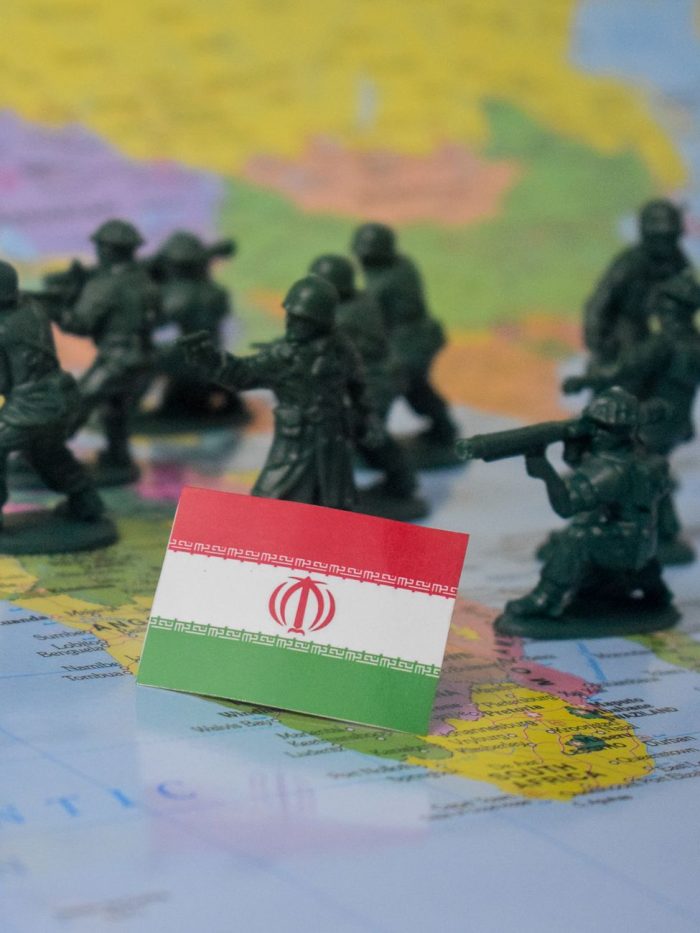
U.S. President Donald Trump announced the reinstatement of a naval blockade on Iranian vessels transiting the Strait of Hormuz, with enforcement beginning July 14 at 4 p.m. ET, while demanding a 20% reimbursement on cargo from other nations for safe passage through the waterway.
Crude oil futures posted their largest one-day percentage gain since May 2020 on July 13 after the announcement. Brent crude, the international benchmark, rose 9.6% to settle at $83.30 a barrel, while West Texas Intermediate climbed 9.4% to $78.14 a barrel. Both contracts reached their highest levels since mid-June.
The U.S. Central Command confirmed the blockade targets vessels entering or leaving Iranian ports and coastal areas. Trump stated on social media that the U.S. would act as guardian of the strait, which handles roughly one-fifth of global oil trade, and that reimbursement would apply at a rate of 20% on all qualifying cargo. A full supertanker could face fees of approximately $30 million under the proposal.
The move follows recent exchanges of strikes between U.S. and Iranian forces and comes after a June memorandum that had temporarily eased hostilities and reopened the strait. Shipping traffic had slowed markedly in recent days amid renewed tensions, with reports of attacks on commercial vessels.
Energy stocks advanced on the developments. Broader equity markets, however, retreated, with technology and growth-sensitive names under particular pressure as investors weighed higher input costs and potential inflation implications from elevated oil prices.
While many reports framed the price surge as a straightforward supply shock, U.S. commercial crude inventories had already shown draws in recent weeks independent of the latest Hormuz developments, with one industry estimate citing a 6 million barrel decline in the period leading into July. Global oil markets had also absorbed prior disruptions earlier in 2026, with Brent briefly exceeding $100 a barrel during peak hostilities before moderating after the June agreement.
The 20% toll structure lacks immediate operational details on enforcement or collection mechanisms, and historical precedents for such fees in international waterways have faced legal and diplomatic pushback. Iranian officials, via the Revolutionary Guard Corps, warned that U.S. interference could trigger further market disruptions, but actual physical closures of the strait have proven partial and temporary in prior episodes this year.
The current blockade reactivation marks the second implementation in 2026, following an initial period from April to June that involved U.S. interception of at least 23 vessels before the June memorandum led to its lifting. During that earlier phase, at least 26 ships bypassed the blockade line according to shipping data.

Trump’s reimbursement language echoes elements of prior U.S. positioning on freedom-of-navigation operations in the region but introduces an explicit commercial levy not commonly detailed in standard CENTCOM announcements. Granular trade data from earlier in the year showed Qatar LNG shipments, which also transit the strait, facing parallel risks during peak disruption periods.
U.S. crude futures open interest and put-call ratios shifted notably in the sessions preceding the July 13 announcement, with institutional flows showing mixed positioning ahead of the earnings season for major integrated oil companies.
Enjoyed reading this article? Access ready-to-use chart frameworks combined with training content and market research to apply it on any market anytime by investing in a membership.