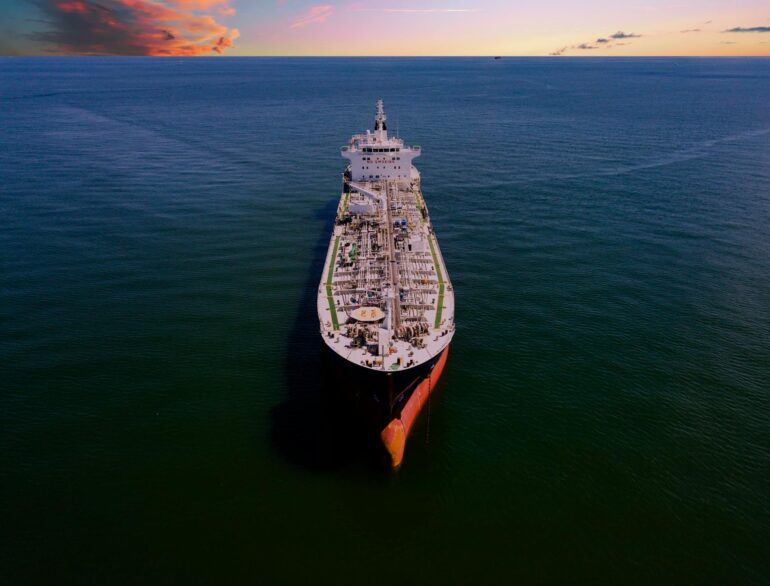
As regional GCC exporters, Asian & European nations along with the US want to get the Straight of Hormuz open, peace talks reach a current stalemate, but the temporary ceasefire hangs together. The broader conflict remains entirely unresolved. There are no confirmed or settled terms for getting the Straight reopened & fully operational at this time. The damage to the regional energy infrastructure will be a blight on the energy markets for months and even years to come. However, market sentiment has been rather optimistic, this is a Bullish scenario for Equity investors as it typically implies that Energy stocks could well remain attractive for longer.
Yet implied risk is lying in-front of our eyes, as both premiums for WTI and WTI Midland Crude for July delivery in North Asia are reportedly between $30-$40 pb higher than key regional benchmarks. As Gulf Crude supplies remain heavily constrained we now see a more aggressive competition from producers outside of this region. WTI Midland was being offered at $34 pb over the Dubai benchmark & $40 over the ICE Brent August delivery. This is quite simply a very unusual dynamic at play as we witness a shift in the normal Crude oil patterns and physical flows. Either way, it is continuing to drive up the price of US Crude baskets over and above other Benchmarks. Which is very unfortunate for US consumers indeed.
The Iran war continues to drive the Crude markets from the large surpluses of 2025 into early 2026, now into an Oil market deficit. These are key factors that will drive the Spot and Front price into the coming weeks, and possibly months ahead. And many Crude traders continued the unwinding of Geopolitical bets. Position liquidation has been ramped as the market now transitions into searching for a more balanced perspective after such a steep repricing event.








