
The election of Donald Trump and the nomination of Paul Atkins as SEC Chair signal a potential shift toward more favorable regulatory policies. This pro-crypto stance has bolstered investor confidence and is expected to encourage broader adoption of digital assets.
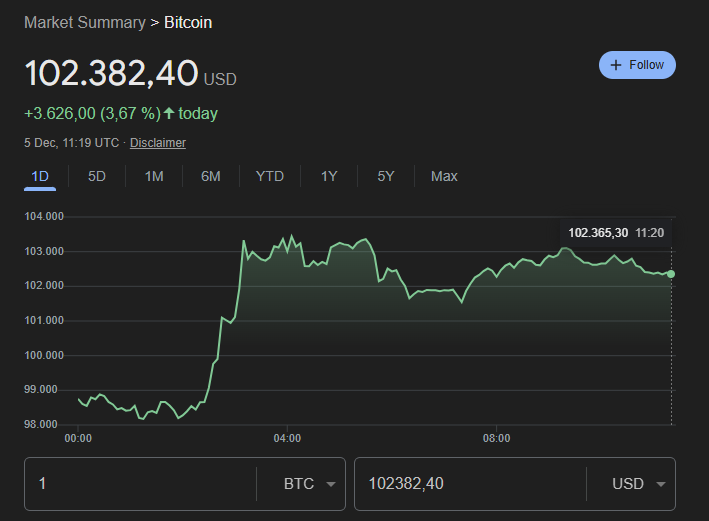
Increased participation by major financial institutions, such as BlackRock’s $12 billion acquisition of HPS Investment Partners, underscores the growing acceptance of digital assets in traditional financial markets. Institutional adoption enhances liquidity, credibility, and the long-term growth trajectory of cryptocurrencies.
The cryptocurrency market’s valuation nearing $3.8 trillion highlights its rapid expansion. Improved investor sentiment, fueled by technological advancements and use case diversification, has positioned Bitcoin as a leading asset in this space.
Strategic Implications for Investors
- Short-Term Opportunities:
- Upside Potential: Analysts projecting Bitcoin to reach $125,000–$130,000 by year-end suggest potential short-term gains for investors. Tactical allocations to Bitcoin or Bitcoin-linked products may benefit from momentum-driven price action.
- Volatility Risks: Bitcoin remains highly volatile, and sharp price swings are common. Portfolio allocations should remain within risk-tolerant thresholds, and stop-loss mechanisms can mitigate downside risks.
- Institutional Exposure:
- Broader adoption by institutions, including ETFs, hedge funds, and asset managers, provides additional channels for exposure to Bitcoin without directly holding the asset. Investors should consider regulated products that offer transparency and compliance.
- Long-Term Prospects:
- Growth Projections: Forecasts of Bitcoin reaching $13 million by 2045 highlight its potential as a long-term store of value, comparable to gold. Investors with a high-risk tolerance and a multi-decade horizon may consider small, strategic allocations.
- Environmental Risks: Bitcoin mining’s environmental footprint remains a critical issue. Investments in companies or initiatives promoting sustainable mining practices may align with ESG considerations while supporting the crypto ecosystem.
Considerations for Institutional Portfolios
Bitcoin’s uncorrelated nature with traditional asset classes can enhance portfolio diversification. Allocating a modest percentage of assets to cryptocurrencies can improve risk-adjusted returns.

The evolving regulatory landscape, particularly under the Trump administration, will play a pivotal role in shaping the market’s trajectory. Close monitoring of SEC policies and global regulatory changes is crucial.
Hedging strategies using Bitcoin futures or options can mitigate downside risks while maintaining exposure to potential upside. Investors should remain vigilant about liquidity and market depth to avoid overconcentration.
Enjoyed this article? Expand your horizon with prime market research by investing in a membership.