
Given the current context of elevated geopolitical risks and macroeconomic uncertainties, our perspective to the performance of precious metals, particularly gold and silver, emphasizes the strategic importance of safe-haven assets and the evolving role of industrial demand.
Key Points to Address:
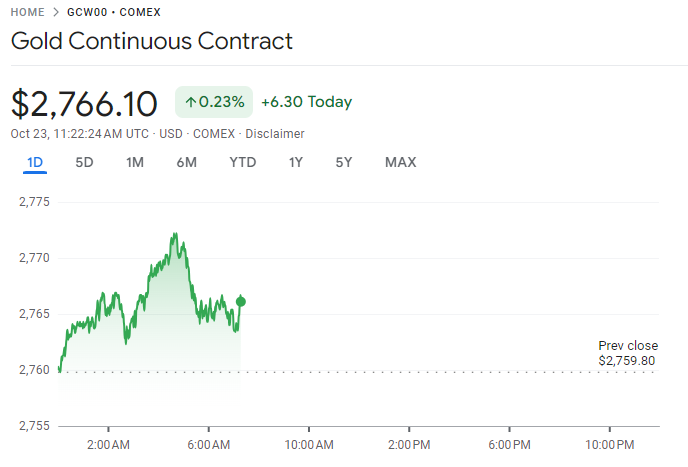
- Safe-Haven Demand for Gold: The record-breaking surge in gold prices past $2,750 per ounce underscores the heightened demand for safe-haven assets amid rising geopolitical tensions in the Middle East and broader macroeconomic uncertainties. As investors seek protection from the potential escalation of conflict and the approaching U.S. presidential election, gold has emerged as a critical hedge against both political and economic instability. Additionally, the diminishing expectations for aggressive Federal Reserve rate hikes provide further support for gold, as a lower interest rate environment reduces the opportunity cost of holding non-yielding assets like gold.
- Monetary Easing and Its Impact: The recent monetary easing actions by major central banks, including the People’s Bank of China (PBoC) and the European Central Bank (ECB), have added upward pressure on precious metals. Lower interest rates, coupled with increased liquidity in capital markets, are likely to sustain demand for gold and other safe-haven assets. This trend may continue as central banks navigate a period of subdued economic growth and rising geopolitical risks, creating favorable conditions for gold to maintain its momentum.
- Silver’s Dual Role—Safe Haven and Industrial Metal: Silver’s performance, holding above $34.5 per ounce at its highest levels in over a decade, reflects its unique dual role as both a safe-haven asset and a critical industrial metal. In addition to the demand driven by macroeconomic uncertainties, silver has benefited from signs of physical shortages and increased industrial demand. The global transition to cleaner energy has significantly boosted demand for silver, particularly in the production of solar panels, further exacerbating concerns over potential supply shortages. As the world continues to adopt renewable energy technologies, silver’s industrial demand is likely to remain a key driver of price appreciation.
- Impact of U.S. Election and Geopolitical Tensions: The upcoming U.S. election and the close race between the presidential candidates have added another layer of uncertainty to markets, fueling demand for safe-haven assets like gold and silver. Investors are particularly wary of potential policy shifts, fiscal uncertainty, and market volatility as the election nears. Meanwhile, the geopolitical situation in the Middle East, including Israel’s ongoing conflicts in Gaza and Lebanon, adds to the risk premium on precious metals. Markets will continue to closely monitor diplomatic efforts, but the prospect of a broader conflict remains a key driver for gold and silver prices.
Strategic Implications:

- Gold Exposure: With gold reaching record highs and continuing to serve as a key hedge against geopolitical and macroeconomic risks, maintaining or increasing exposure to gold is recommended for portfolios seeking downside protection. The combination of monetary easing, geopolitical uncertainties, and a more dovish Federal Reserve outlook provides a supportive backdrop for further price appreciation. However, it’s important to remain vigilant for any shifts in sentiment or policy changes that could impact safe-haven demand.
- Silver Positioning: Silver’s dual role as both a safe-haven asset and an industrial commodity offers unique opportunities. The ongoing transition to clean energy technologies, particularly solar, enhances silver’s industrial demand outlook, while physical shortages provide additional upward pressure. We recommend considering an increased allocation to silver, not only as a hedge against broader macroeconomic uncertainties but also as a play on the growing demand from the renewable energy sector.
- Monitoring Central Bank Policy: The recent actions by the PBoC and ECB highlight the continued trend toward monetary easing, which is likely to provide further support for precious metals. It will be crucial to monitor central bank policy closely, especially any additional liquidity measures or interest rate cuts that could further bolster demand for gold and silver.
- Geopolitical and Election Risks: With both the U.S. election and geopolitical tensions in the Middle East contributing to elevated risk sentiment, it is essential to maintain a diversified approach to hedging. Gold and silver remain key components of this strategy, but additional diversification across other safe-haven assets or sectors may help mitigate potential volatility.
Like this article? Access highly trusted educational content and market research by investing in a membership.