
WTI crude oil prices continue to climb amid heightened geopolitical tensions in the Middle East, particularly surrounding potential retaliatory actions between Israel and Iran. The fear of broader conflict is sustaining concerns over supply disruptions, especially with Iran’s oil production near full capacity and potentially vulnerable. President Biden’s caution against strikes on Iranian oil fields suggests that the U.S. is wary of actions that could further destabilize the region, but the situation remains fluid.
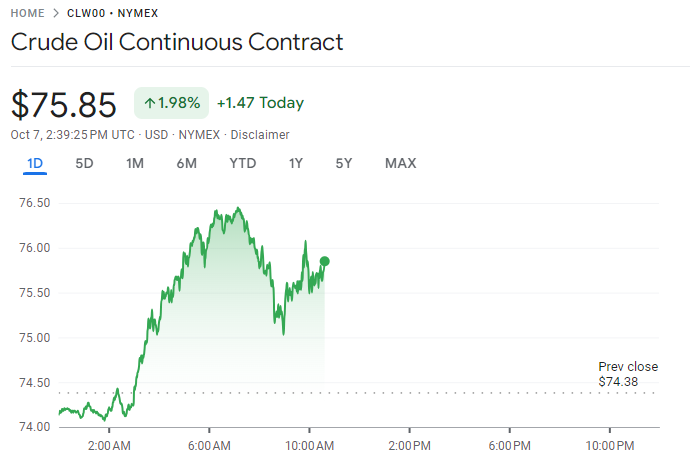
On the demand side, questions persist about the global economic outlook, particularly in China, where new stimulus measures could provide a boost to oil demand. Saudi Arabia’s decision to raise prices for Asian buyers while lowering them for the U.S. and Europe reflects a strategic positioning amid these uncertainties.
Meanwhile, in the natural gas market, prices have retreated slightly due to surplus supply, but there’s potential for recovery as winter approaches and drilling activities slow. The recent storage build, though below expectations, still indicates ample supply, yet the narrowing five-year surplus could create some upward pressure if demand picks up during colder months. Additionally, the resolution of the longshoreman strike is expected to revive petrochemical demand, although clearing the backlog at ports will take some time.
Gasoline futures are also on the rise, with the situation in the Strait of Hormuz creating worries about potential disruptions to oil shipments. Domestic gasoline demand has dropped significantly due to Hurricane Helene, which affected infrastructure and caused power outages. However, the stability in gasoline stocks and consistent production are helping to balance the market.
Heating oil futures are mirroring these concerns, reaching a six-week high as market participants brace for possible supply disruptions. The recent drawdowns in heating oil and distillates are further supporting prices, highlighting the impact of geopolitical risks on energy markets as winter approaches.

Overall, while supply concerns are driving oil and heating oil prices higher, the broader outlook remains uncertain, with global demand concerns and geopolitical risks interplaying in complex ways. Traders will be closely watching developments in the Middle East and any additional economic data, especially from China, for further cues.
Enjoyed this article? Access highly trusted educational content and market research by investing in a membership.