The Japanese yen has shown resilience at around 151.2 per dollar, arresting its recent decline amid heightened speculation of possible intervention by Japanese authorities. This stabilization follows remarks from Masato Kanda, Japan’s top currency diplomat, highlighting the speculative nature of the yen’s weakness and the readiness of authorities to take appropriate measures. Despite the Bank of Japan’s (BOJ) move to raise interest rates for the first time in 17 years and shift from negative rates, the yen weakened, reflecting a wide interest rate gap with the United States.
Analysis of the Japanese Yen’s Position
- BOJ’s Policy Shifts: Despite the BOJ’s historic decision to raise interest rates and end negative rates, the yen depreciated sharply. This reaction suggests that the market had largely anticipated the move, but concerns about the continued accommodative stance, as indicated by BOJ Governor Kazuo Ueda, and the significant interest rate differential with the U.S., exert downward pressure on the yen.
- Potential for Intervention: Masato Kanda’s comments underscore a readiness by Japanese authorities to intervene in the currency markets to stabilize the yen. Past instances suggest that such interventions can lead to sudden and sharp reversals in the yen’s trajectory, presenting both risks and opportunities for currency traders.
Global Monetary Policy Divergence
- Interest Rate Disparity: The widening gap between Japanese and U.S. interest rates remains a key driver of the yen’s depreciation. Any indications from the Federal Reserve on the future path of U.S. interest rates, particularly dovish hints towards rate cuts, could narrow this gap and bolster the yen.
- Upcoming Economic Data: The US PCE price index report for February is eagerly awaited as it could offer insights into the Federal Reserve’s inflation outlook and influence expectations regarding interest rate adjustments. A stronger-than-anticipated inflation reading could reinforce the case for maintaining higher U.S. interest rates, potentially exacerbating the yen’s weakness.
Strategic Insights
- Monitor Policy Signals: Investors should closely watch for any further comments from Japanese authorities regarding potential market interventions and assess BOJ Governor Ueda’s statements on monetary policy for hints on the bank’s future direction.
- Hedge Currency Exposure: Given the volatility and uncertainty in the currency markets, particularly regarding the yen, investors with significant currency exposure should consider hedging strategies to mitigate potential risks.
- Diversification: Diversifying currency holdings to include other major currencies might provide a buffer against yen-specific volatility, especially for investors concerned about speculative moves or potential interventions.
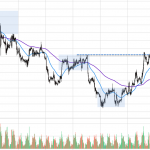
The Japanese yen’s current steadiness amid speculation of government intervention and the backdrop of global monetary policy divergence presents a complex landscape for investors. By closely monitoring policy signals, hedging currency exposure, and diversifying their currency portfolio, investors can navigate the challenges posed by the current currency market dynamics. The upcoming US PCE price index report and its implications for Fed policy will be crucial in shaping the short-term trajectory of the yen and the broader currency market.