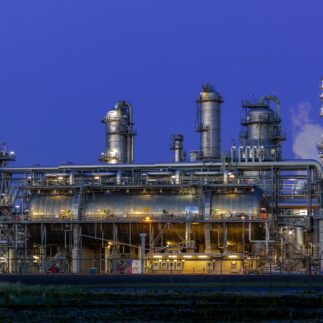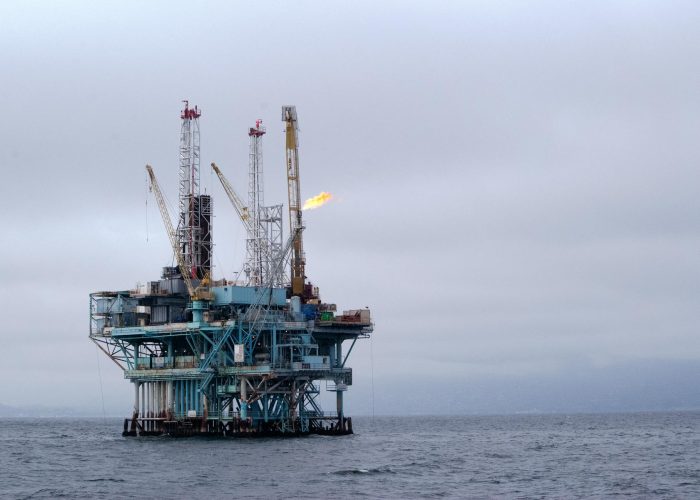
Weekly Performance: WTI crude futures remained buoyant above $81 per barrel, eyeing a commendable 4% gain over the week. This upward momentum is largely attributed to robust U.S. demand signals and a positive adjustment in global consumption outlooks for the year ahead.
EIA Inventory Insights: Contrary to the anticipated inventory build, the latest data from the Energy Information Administration (EIA) revealed a notable decline in U.S. crude inventories by 1.536 million barrels last week, offering a bullish surprise to market participants.
Global Demand Forecast Adjustment: The International Energy Agency (IEA) has revised its global oil demand forecast for 2024 upwards to 1.3 million barrels per day from 1.2 million bpd. Furthermore, it shifted its annual forecast from predicting a surplus to a slight deficit, underscoring a tighter global oil market.
Geopolitical and Supply Dynamics:
- Ukrainian Drone Strikes: Incidents involving Ukrainian drones targeting Russian refineries, including a significant fire at Rosneft’s largest facility, have added to the upward pressure on oil prices.
- Middle Eastern Tensions & OPEC+ Decisions: Escalating geopolitical tensions in the Middle East, coupled with OPEC+’s resolution to extend supply cuts, have further cemented the bullish stance on oil prices.
Gasoline Market Rally: Following the EIA’s report indicating a much larger-than-expected drawdown in gasoline inventories, futures soared past $2.65 per gallon, marking a six-month peak. The reported decrease of 5.662 million barrels significantly exceeded market forecasts, registering as the most substantial drop since early November 2023.
Market Sentiment and Price Catalysts: The confluence of unexpected inventory reductions, optimistic demand forecasts, geopolitical instabilities, and strategic OPEC+ supply management has collectively fostered a bullish sentiment in the oil market, propelling prices upward and signaling a potential continuation of this trend in the near term.
Navigating the Oil Market: Investment Recommendations and Future Scenarios
In the wake of WTI crude futures’ sustained performance and the shifting dynamics of global oil demand and supply, investors stand at the cusp of a potentially volatile yet rewarding market landscape. The following investment recommendations and potential scenarios are designed to navigate this complex terrain effectively.

Investment Strategy:
- Strategic Commodity Exposure: Given the bullish outlook on oil, investors might consider increasing their exposure to commodity-focused ETFs or direct investments in crude futures. This strategy could capitalize on the upward price trajectory while hedging against broader market volatility.
- Energy Sector Stocks: Companies within the upstream segment (exploration and production) are likely to benefit from higher crude prices. Selective investment in these stocks, particularly those with robust balance sheets and efficient operations, could offer substantial returns.
- Geopolitical Risk Mitigation: Given the impact of geopolitical tensions on oil prices, diversifying into other commodities or sectors less sensitive to geopolitical risks could provide a balanced portfolio approach, reducing potential downside exposure.
- Renewable Energy Hedge: Investing in renewable energy and technologies as a long-term hedge against the oil sector’s volatility. As the global economy gradually transitions to greener energy sources, these investments may offer growth potential and risk mitigation.
Potential Scenarios and Impacts:
- Extended OPEC+ Production Cuts: Should OPEC+ decide to prolong or deepen production cuts beyond current expectations, oil prices could surge further. Investors positioned in oil futures or energy stocks may see enhanced gains, though caution is advised as market dynamics shift.
- Escalation in Middle Eastern Tensions: An increase in geopolitical instability in key oil-producing regions could lead to temporary spikes in oil prices. While beneficial for short-term positions in oil, investors should be wary of the volatility and potential rapid reversals in price trends.
- Accelerated Global Economic Recovery: A faster-than-anticipated rebound in global economic activity could drive demand for oil higher, outstripping supply adjustments and pushing prices upward. Energy sector investments would likely benefit, alongside commodities tied to industrial and manufacturing processes.
- Unexpected Increase in US Shale Production: A significant ramp-up in U.S. shale oil production, in response to higher prices, could counterbalance OPEC+ cuts and dampen bullish sentiment, stabilizing or potentially lowering prices. This scenario underscores the importance of agility in investment strategies, with a readiness to pivot based on supply-side changes.