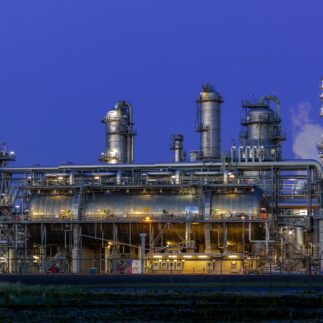
The current global energy landscape presents a mixed picture of volatility and opportunity, as evidenced by the latest price movements across various energy commodities.
Market Dynamics and Analysis
Crude Oil and Brent:
- Moderate price increases with Crude Oil at $77.841/bbl and Brent at $82.785/bbl suggest a cautious optimism in the oil market, influenced by global demand recovery and geopolitical tensions.
- Year-over-Year (YoY) changes indicate stability in crude prices, with a slight increase for Crude Oil (0.86%) and a marginal decrease for Brent (-0.03%).
Natural Gas and Alternatives:
- Natural Gas prices have significantly decreased YoY (-38.38%), reflecting a substantial shift in supply and demand dynamics, particularly with the increase in renewable energy sources and the impact of mild weather conditions in major consumption markets.
- TTF Gas and UK Gas prices also experienced a sharp decline YoY, indicating an oversupply situation and reduced demand in European markets.
Renewables and Other Commodities:
- Uranium stands out with a 97.00% increase YoY, highlighting the growing interest in nuclear energy as a stable and clean energy source amidst the global push for decarbonization.
- Coal and propane prices show divergent trends; coal experienced a significant drop YoY, whereas propane saw an increase, reflecting the complex interplay between energy transition efforts and market demand.

Investment Strategy
- Diversify into Renewable Energy and Nuclear Power: With Uranium prices surging, investments in nuclear energy infrastructure could offer long-term returns. Additionally, renewable energy sources remain attractive due to global decarbonization efforts.
- Strategic Investments in Natural Gas: Despite the current price dip, natural gas could serve as a transitional fuel. Investments in LNG infrastructure and technology could leverage future demand, especially in Asia.
- Selective Engagement in Oil Markets: Given the moderate price movements and geopolitical risks, selective investments in oil assets with low production costs or in regions with stable geopolitical climates are recommended.
Potential Scenarios
- Accelerated Energy Transition: A faster-than-expected shift towards renewables could further depress fossil fuel prices, particularly coal and natural gas, posing risks to investments in these sectors.
- Geopolitical Tensions and Supply Disruptions: Escalating geopolitical tensions in key oil-producing regions could lead to supply disruptions, driving oil prices higher and impacting global economic stability.
- Technological Breakthroughs: Advances in energy storage and hydrogen technology could significantly alter the energy landscape, reducing dependence on traditional fossil fuels and enhancing the viability of renewables.
Conclusions and Prognoses
The global energy market is at a critical juncture, with significant volatility driven by geopolitical, environmental, and technological factors. Investors and stakeholders must navigate these complexities with a strategic approach, focusing on diversification, sustainability, and resilience. The growing emphasis on decarbonization and energy transition presents both challenges and opportunities, requiring a balanced and forward-looking investment strategy to harness the potential of the evolving energy landscape.