- US futures point lower as concerns about the US economy emerge, with Dow Jones contracts falling and the S&P 500 and Nasdaq 100 declining.
- Home Depot’s premarket drop of 3.5% follows its largest revenue miss in over two decades and a downward revision of its projections for the current year.
- April’s retail sales data disappoints, showing a meager 0.4% increase and unexpected declines in receipts at gasoline stations despite higher fuel prices.
- Ongoing concerns persist regarding the debt ceiling standoff, as President Biden and congressional leaders engage in discussions to reach an agreement.
- The dollar index remains under pressure, slipping to around 102.4, as traders worry about the risk of a US default if a debt ceiling agreement is not reached.
- Retail trade data, along with statements from Federal Reserve officials, reinforces expectations that the central bank may soon pause its policy tightening.
- Further talks between Biden and congressional leaders, along with additional central bank commentary, are anticipated by investors.
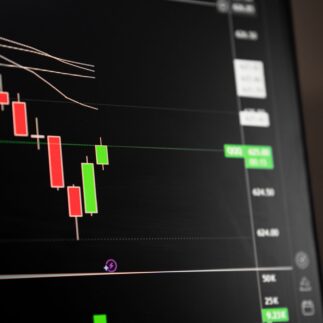
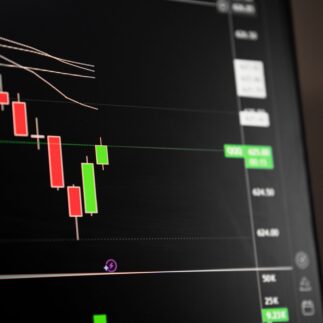
The S&P 500 Futures find themselves within a tightening price range on the daily interval, eagerly awaiting further details on the debt ceiling situation and closely monitoring economic data. Notably, higher sales figures in comparison to the previous release may fuel the notion of an ongoing pause in the face of elevated interest rates aimed at curbing inflation, which could provide support for the dollar while putting pressure on equities.
Within the daily interval, a rotational pattern persists as the market oscillates between the extremes of the day’s developing value. It seems to lean on these extremes, potentially setting its sights on either the highs or lows of the prior session for absorption purposes. Of particular interest, the lower extreme of the previous day aligns with a previous VWAP close level, offering potential support for buyers.

The prevailing market conditions exhibit a mixed blend of internal calculations, fostering a rotational behavior across various sectors. Amidst this backdrop, gold emerges as a sought-after safe-haven asset, serving to safeguard and hedge equity positions.