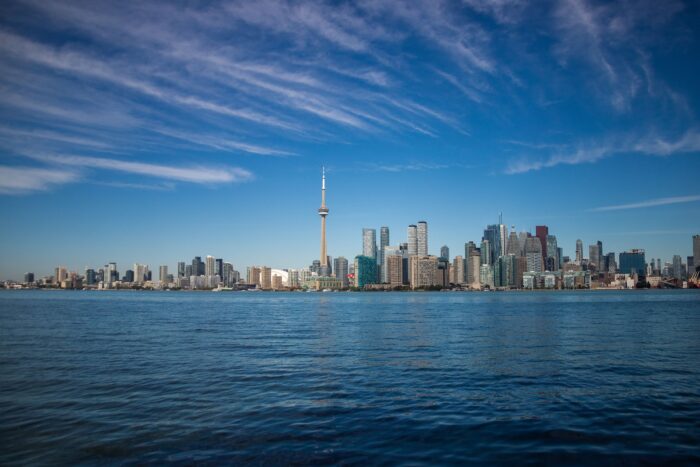
Bank of Canada Governor Tiff Macklem warned that higher oil costs will be passed on to consumers over the coming year, saying the economy has held up better than officials expected and that the second-round effect of the oil shock will add to inflation persistence. Speaking in Toronto on Tuesday, he said cost pressures have been building since the spring, even though global energy prices have eased since the central bank raised borrowing costs last month.
The bank lifted its policy rate by 25 basis points to 2.5% in October. Macklem said that if inflation looks set to stay too high for too long, the bank would need to hike again, while a rise that is expected to unwind on its own does not generally call for a response. He also said more frequent supply shocks mean inflation is likely to be pushed off course more often and for longer.
Headline inflation has hovered near 3% since April. Macklem indicated that year-end inflation may come in below the roughly 3.5% the bank projected in October, as crude prices and refinery margins have retreated. His point was that the shock has not faded from the price chain: businesses that absorbed elevated production and transport costs since spring are expected to pass them on, and historical lags and the bank’s business surveys point to more pass-through in the year ahead. “Monetary policy can’t lower global energy prices,” he said, “but it can limit how much they spill over.”
The remarks leave the bank balancing a softer near-term inflation path against a stickier 2027 outlook. The economy has shown more resilience than the bank expected, while U.S. tariffs continue to weigh on growth. The next rate decision falls in early December.
The picture is less one-directional than the hike language suggests. The lower oil and refinery-margin readings that could pull year-end inflation under the October forecast are the same developments that Macklem said do not remove the pass-through still to come, so near-term data may flatter the underlying trend. The bank has also said it is willing to look through price rises that reverse by themselves.
Macklem used the appearance to discuss the bank’s inflation framework after its five-year renewal. The 2% target applies to total CPI inflation within a 1% to 3% control range, with CPI-trim and CPIX serving as the primary core measures, though the bank said it will not rely exclusively on those two gauges. A new online inflation dashboard is being launched.

Macklem announced last week that he will step down when his seven-year term ends on June 2, 2027, and the board has started the search for a successor. For scale, Canadian inflation reached a four-decade high of 8.1% in June 2022, a cycle in which the bank raised rates by 475 basis points.
Sources: Bloomberg, fxstreet.com, Investing.com.